
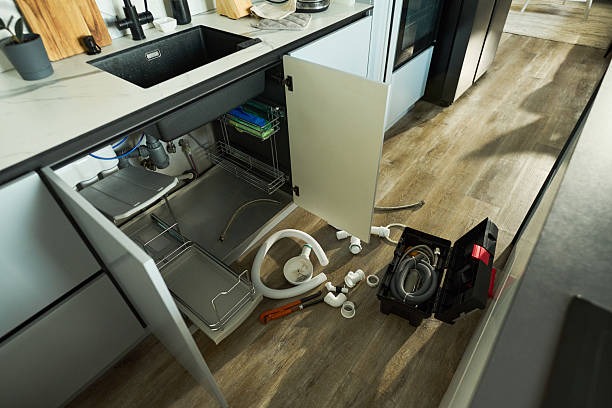
Water heater leaks are a common household issue that can lead to significant inconvenience and damage if not addressed promptly. Understanding the causes of water heater leaks and their solutions is essential for maintaining the efficiency and longevity of your appliance.
One of the primary causes of water heater leaks is corrosion. Over time, minerals in the water can cause rust to form inside the tank, leading to small holes or cracks through which water can escape. This is particularly common in areas with hard water, where mineral content is high. Regular maintenance, including flushing the tank annually and installing a water softener, can help mitigate this issue by reducing mineral buildup.
Another frequent cause of leaks is excessive pressure within the tank. Water heaters are equipped with temperature and pressure relief valves designed to release excess pressure as needed. However, if these valves malfunction or become clogged with sediment, pressure may build up beyond safe levels, causing leaks at various points in the system. Regular inspection and testing of these valves are crucial steps in preventing such issues.
Faulty plumbing connections also contribute significantly to water heater leaks. Over time, fittings and joints may loosen due to thermal expansion or vibrations from regular use. Inspecting visit our company website these connections periodically for signs of wear or damage ensures that any potential problems are identified early on before they escalate into major leaks.
In addition to corrosion, pressure issues, and faulty connections, age plays a critical role in determining whether a water heater will leak. Most units have an average lifespan of 8-12 years; beyond this period, components such as tanks become more susceptible to failure due to prolonged exposure to heat cycles and constant use under varying conditions.
1) Routine Maintenance: Conduct regular inspections focusing on key components like anode rods (which prevent rust), thermostats (to ensure optimal temperature settings), pipes/fittings/joints (for tightness/security). Flushing out sediment deposits should be done once per year minimum – especially important when dealing with hard-water regions prone towards scaling effects over time!
2) Pressure Regulation: Ensure proper functioning/testing/cleanliness surrounding T&P relief valve mechanisms – replace defective ones immediately upon detection! Consider installing expansion tanks where applicable since they absorb extra pressures generated during heating processes thereby reducing strain placed upon existing systems overall capacity limits effectively managing stress factors accordingly without compromising operational integrity whatsoever ultimately enhancing safety margins considerably across board setups alike universally speaking here too similarly enough indeed…