
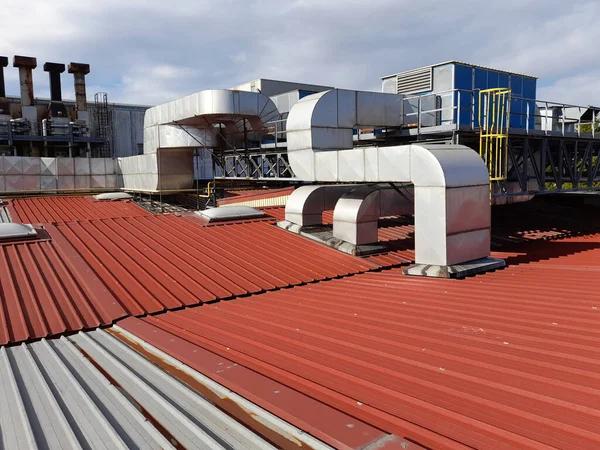
Modern industrial facilities have undergone a significant transformation over the years, evolving to meet the demands of contemporary production and sustainability standards. These facilities are characterized by several key components that define their functionality, efficiency, and adaptability in today’s competitive market.
One of the primary components is automation. The integration of advanced robotics and automated systems has revolutionized industrial operations. Automation not only enhances productivity but also ensures precision and reduces human error. With the implementation of Artificial Intelligence (AI) and machine learning algorithms, modern facilities can optimize processes in real-time, leading to increased output and reduced operational costs.
Another critical component is sustainability. As environmental concerns continue to rise globally, industries are under pressure to reduce their carbon footprint. Modern industrial facilities incorporate eco-friendly practices such as energy-efficient machinery, waste reduction techniques, and sustainable resource management. Renewable energy sources like solar panels and wind turbines are increasingly being integrated into facility designs to minimize reliance on fossil fuels.
Flexibility is also essential for modern industrial setups. Facilities now need to be adaptable to changing market demands without significant downtime or restructuring costs. This flexibility is achieved through modular design concepts where production lines can be adjusted or reconfigured quickly based on current requirements. Such adaptability allows businesses to remain competitive by swiftly responding to new trends or shifts in consumer preferences.
Connectivity plays a pivotal role in defining contemporary industrial environments as well. get the full details here Industrial Internet of Things (IIoT) connects machines, devices, sensors, and people across networks allowing seamless communication within the facility ecosystem. This connectivity facilitates data collection which can be analyzed for insights into performance metrics leading towards informed decision-making processes that enhance overall efficiency.
Safety protocols have become more sophisticated with advancements in technology too; ensuring worker safety remains paramount while maintaining high levels of productivity within these environments requires stringent measures supported by state-of-the-art equipment like wearable tech monitoring health parameters during work hours alongside automated emergency response systems capable enough at handling unforeseen incidents effectively if they arise unexpectedly during routine operations inside plants/factories alike worldwide today!
Finally yet importantly comes workforce development: skilled labor force equipped with knowledge about operating complex machinery efficiently forms backbone upon which success rests heavily indeed thus necessitating continuous training programs aimed at upgrading skills regularly keeping pace alongside technological advancements occurring rapidly around us all times henceforth ensuring preparedness against challenges posed forthwith tomorrow inevitably awaits ahead always beckoning onward progress toward brighter future horizons beyond imagination itself limitless possibilities abound aplenty therein awaiting exploration anew each day afresh anew!