
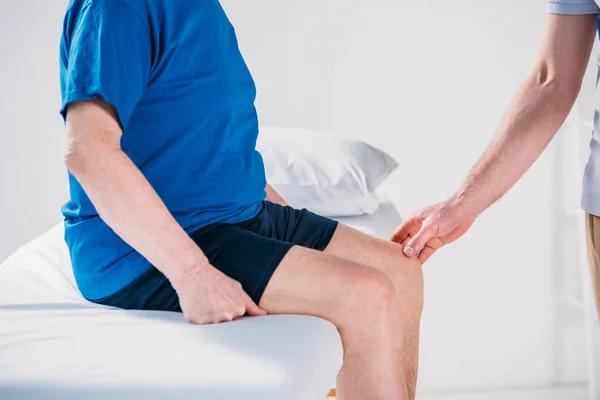
Sports physiotherapy plays a pivotal role in the recovery and rehabilitation of athletes, offering tailored strategies to enhance healing and prevent future injuries. As athletes push their physical limits, the risk of injury becomes an inherent aspect of sports participation. This is where sports physiotherapy steps in, providing a comprehensive approach to recovery that not only focuses on healing but also on building resilience and improving overall performance.
At its core, sports physiotherapy involves assessing an athlete’s condition comprehensively. Physiotherapists work closely with athletes to understand their specific needs, taking into account the nature of the sport they are involved in and any previous injuries they may have sustained. This individualized assessment forms the foundation for developing a robust recovery plan that addresses both immediate concerns and long-term health goals.
A key element of effective sports physiotherapy is education. Athletes are educated about their bodies, understanding how different muscles and joints function together during physical activity. This knowledge empowers them to recognize early signs of potential issues, allowing for timely intervention before minor problems escalate into major injuries.
Incorporating advanced techniques such as manual therapy, exercise prescription, and modalities like ultrasound or electrical stimulation enhances the efficacy of treatment plans. Manual therapy helps restore more details mobility by addressing joint restrictions or muscle tightness through hands-on manipulation. Exercise prescriptions are tailored to improve strength, flexibility, balance, and coordination—critical components for reducing injury risk.
Moreover, sports physiotherapists emphasize functional training that mimics real-life movements encountered in specific sports activities. By doing so, athletes can translate gains made during rehabilitation directly onto the field or court with greater ease and confidence.
Recovery plans designed by sports physiotherapists also prioritize mental well-being alongside physical healing—a crucial yet often overlooked aspect of rehabilitation. Injury can be mentally taxing; therefore incorporating psychological support within recovery protocols ensures holistic care for athletes striving towards full recuperation.