
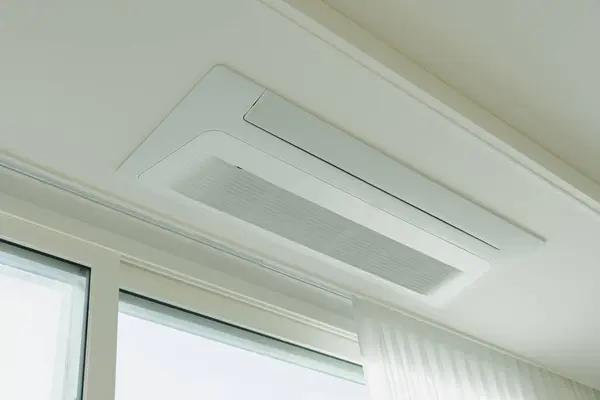
Improving indoor environments by addressing ventilation problems is a crucial aspect of enhancing both comfort and health in residential, commercial, and industrial spaces. Ventilation plays a vital role in maintaining air quality, regulating temperature, and controlling humidity levels. Poor ventilation can lead to a host of problems including the accumulation of pollutants, increased moisture levels leading to mold growth, and an overall decrease in indoor air quality. These issues not only affect the structural integrity of buildings but also have significant implications for human health.
One primary concern associated with inadequate ventilation is the buildup of indoor air pollutants such as volatile organic compounds (VOCs), carbon dioxide, dust mites, and other allergens. These contaminants often originate from common household items like cleaning products, paints, furnishings, or even from outdoor sources entering through windows or doors. When these pollutants accumulate due to poor airflow, they can cause respiratory issues such as asthma or allergies and exacerbate existing health conditions.
Moreover, insufficient ventilation can result in excessive humidity levels indoors. High humidity creates an ideal environment for mold growth which can damage building materials like wood and drywall while posing serious health risks to occupants. Mold exposure is linked with various respiratory problems including coughing, wheezing, throat irritation as well as more severe reactions among individuals with compromised immune systems.
To mitigate these issues effectively requires a comprehensive approach towards improving ventilation systems within buildings. This begins with identifying problem areas where airflow might be restricted or stagnant; common culprits include blocked vents or ducts that need cleaning find out the truth regularly along with ensuring all mechanical components are functioning optimally without any obstructions impeding their performance.