
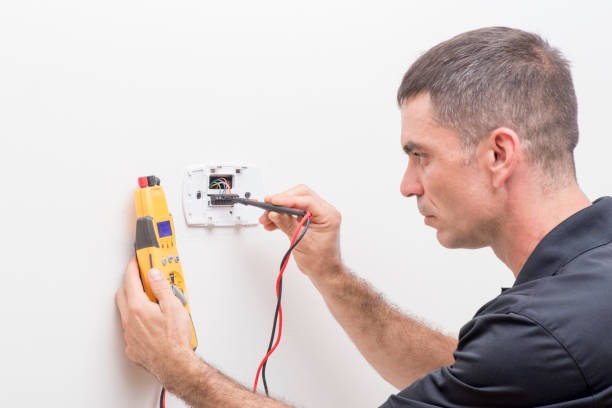
Air conditioning (AC) systems are essential components of modern comfort, especially in regions with extreme temperatures. As these systems are used extensively, they require regular maintenance and occasional repairs to function efficiently. AC repair services rely on a variety of electrical parts to ensure that these units operate smoothly and effectively.
One of the primary electrical components in an AC system is the capacitor. Capacitors store and release energy to power the motors within the unit, such as the compressor motor, blower motor, and fan motor. These devices come in different shapes and sizes but serve a crucial role in starting up or maintaining operation for these motors. When capacitors fail or degrade over time, they can cause issues like hard starting or even prevent the AC from turning on altogether.
Another critical component is the contactor. This electrically-controlled switch allows electricity to flow through various parts of the air conditioning system when needed. It acts as a bridge between high-voltage circuits powering major components and low-voltage signals from thermostats or control boards that dictate their operation. A faulty contactor can lead to problems such as short cycling or complete failure of certain functions within an AC unit.
Relays are also integral electrical elements found in air conditioners. They work similarly to contactors by controlling larger currents with smaller signals but are often used for get more insights specific purposes within complex circuitry arrangements inside modern HVAC systems. For instance, relays may be responsible for switching indoor fans on/off based upon temperature settings programmed into digital thermostats connected wirelessly via smart home networks today!
Thermostats themselves represent another vital piece among myriad electronics involved here too: without accurate temperature readings being transmitted back-and-forth between user interfaces mounted conveniently indoors versus sensors embedded externally around condenser coils outside homes/buildings alike – no efficient climate control would ever occur! Modern advancements have brought programmable models capable not only adjusting desired degrees automatically throughout day/night cycles optimizing energy consumption patterns accordingly; yet still require proper wiring installations ensuring seamless communication across all necessary channels involved therein.
Transformers play pivotal roles behind scenes converting incoming voltages down suitable levels so sensitive circuitries aren’t overloaded during peak demand periods either — safeguarding against potential damages caused otherwise might arise unexpectedly due unforeseen surges occurring sporadically amidst fluctuating grid supplies encountered worldwide nowadays increasingly frequently unfortunately though thankfully mitigated somewhat thanks diligent efforts undertaken industry professionals committed delivering reliable solutions consistently whenever called upon resolve emergencies promptly minimizing disruptions experienced customers relying heavily dependably functioning equipment daily lives depend heavily indeed!
In conclusion: understanding each component’s function importance helps technicians diagnose troubleshoot any malfunctions quickly accurately thereby restoring optimal performance conditions once again thus prolonging lifespan investment made initially purchasing installing respective units benefiting everyone involved ultimately long term perspective considered overall context examined thoroughly beforehand embarking journey repairing maintaining cooling apparatuses utilized globally today tomorrow alike!