
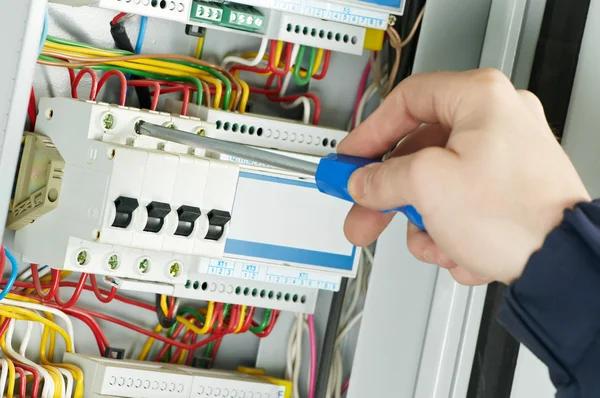
Ensuring safety when dealing with electrical systems in the home is paramount. Homeowners often undertake minor electrical repairs or installations, but without proper precautions, these tasks can pose significant risks. An electrician safety checklist provides a structured approach to minimizing hazards and ensuring that all necessary steps are taken for safe electrical work.
First and foremost, it is essential to turn off the power supply before commencing any electrical task. This step cannot be overemphasized as it prevents accidental electrocutions. Locate your home’s circuit breaker panel and switch off the circuit corresponding to the area where you will be working. To verify that the power is indeed off, use a voltage tester on outlets or fixtures before proceeding with any work.
Wearing appropriate personal protective equipment (PPE) is another critical aspect of maintaining safety during electrical projects. Insulated gloves should always be worn to protect against JDV Electric shocks, while goggles can shield your eyes from sparks or debris that may occur during certain tasks like drilling into walls near wiring.
Understanding your home’s wiring system is crucial for safe operation. Familiarize yourself with the color coding of wires—typically black for live wires, white for neutral, and green or bare copper for grounding—to avoid incorrect connections which could lead to short circuits or fires.
When using tools for electrical work, ensure they are insulated and suitable for such purposes. Tools specifically designed for electricians have rubber grips that provide an extra layer of protection against electric shock. Regularly inspect these tools before use to ensure they are in good condition without any damage like cracks in insulation which could compromise their effectiveness.
Proper lighting conditions must also be maintained while working on electrical systems; inadequate lighting can lead to mistakes such as connecting wrong wires or missing important details within an installation process. If necessary, use portable lights that do not rely on electricity from the circuit being worked on.
A clean workspace helps prevent accidents caused by tripping over cords or tools left carelessly around work areas. Ensure all materials needed are organized efficiently and unnecessary items cleared away from immediate surroundings.
Finally, never hesitate to consult a professional electrician if unsure about handling particular tasks safely; complex issues require expertise beyond basic homeowner knowledge and attempting them without adequate skill can result in severe consequences including property damage or personal injury.
By adhering strictly to this checklist whenever engaging with household electrics not only ensures personal safety but also contributes significantly towards maintaining overall home security standards effectively reducing potential hazards associated with improper handling of electricity at home.