
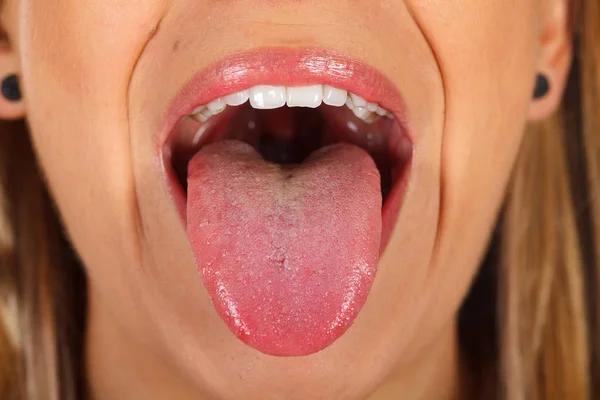
A healthy tongue is an often-overlooked aspect of overall well-being, yet it plays a crucial role in our daily lives. From aiding in speech and taste to facilitating digestion, the tongue is a vital organ that deserves attention. A healthy tongue typically presents itself with certain characteristics that indicate good oral hygiene and general health.
Firstly, a healthy tongue should have a pinkish color. This hue suggests adequate blood circulation and hydration levels within the body. While slight variations in shade can occur due to individual differences or dietary factors, significant deviations might signal underlying health issues. For instance, a pale or white-coated tongue could be indicative of anemia or dehydration, while a bright red hue might suggest inflammation or infection.
The texture of the tongue is another important marker of its health status. Ideally, it should have small nodules on its surface known as papillae. These tiny projections are responsible for housing taste buds and play an integral role in our sensory experiences with food and drink. A smooth or glossy appearance may suggest nutritional deficiencies such as vitamin B12 deficiency or other medical conditions like geographic tongue.
Moisture level is also critical when assessing the health of your tongue. It should be see all resources slightly moist but not overly wet; this balance ensures that bacteria do not thrive excessively while maintaining comfort during speech and eating activities. Dryness can result from dehydration or certain medications but could also point towards more severe concerns like Sjögren’s syndrome.
Furthermore, observing any unusual growths or lesions on the surface can provide insights into one’s oral health condition too—though occasional minor injuries from biting are common occurrences without serious implications if they heal quickly over time without complications arising thereafter either way! However persistent sores warrant professional evaluation since they might indicate infections such as thrush caused by yeast overgrowth—or even precancerous changes requiring prompt intervention accordingly!